Selfish Bacteria #Linz
An Urban Cosmos Shaped by Invisible Lives
What if our actions and thoughts were shaped, in part, by the diverse bacteria living within our gut?
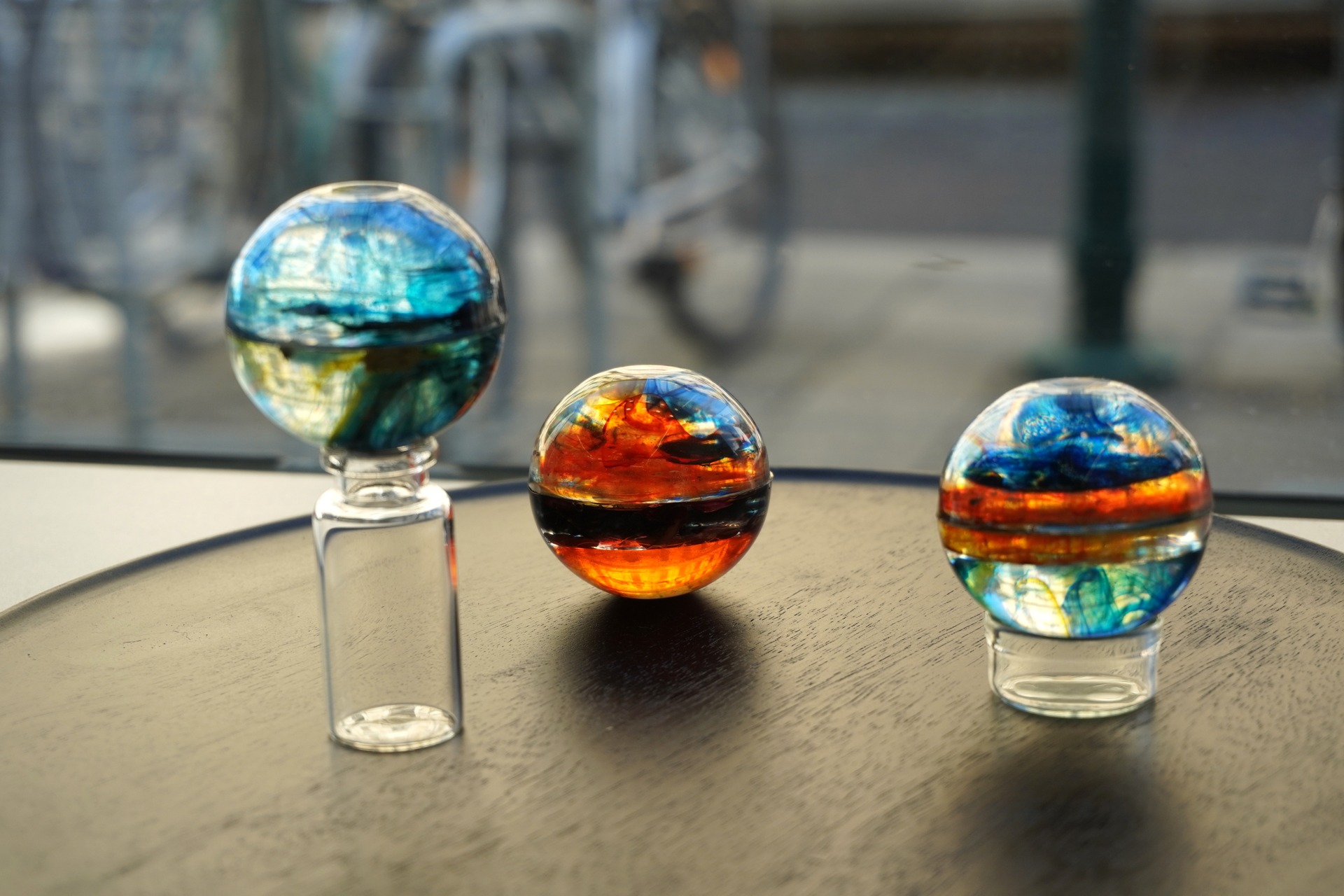
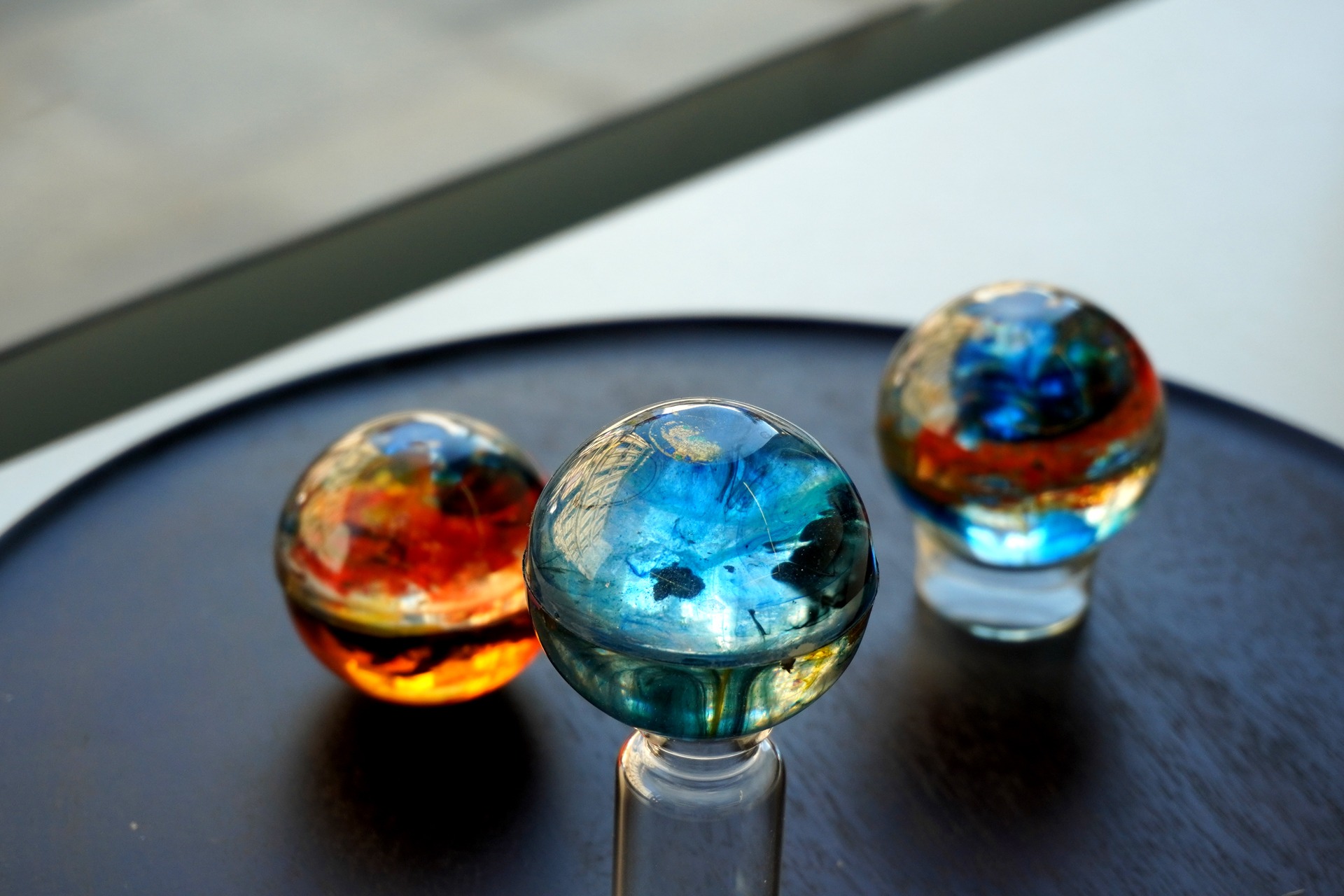
This work visualizes the gut microbiome data of h.o members Hideaki Ogawa, Emiko Ogawa, and their daughter Moe Ogawa, transforming each body into a small planet inhabited by countless microorganisms.
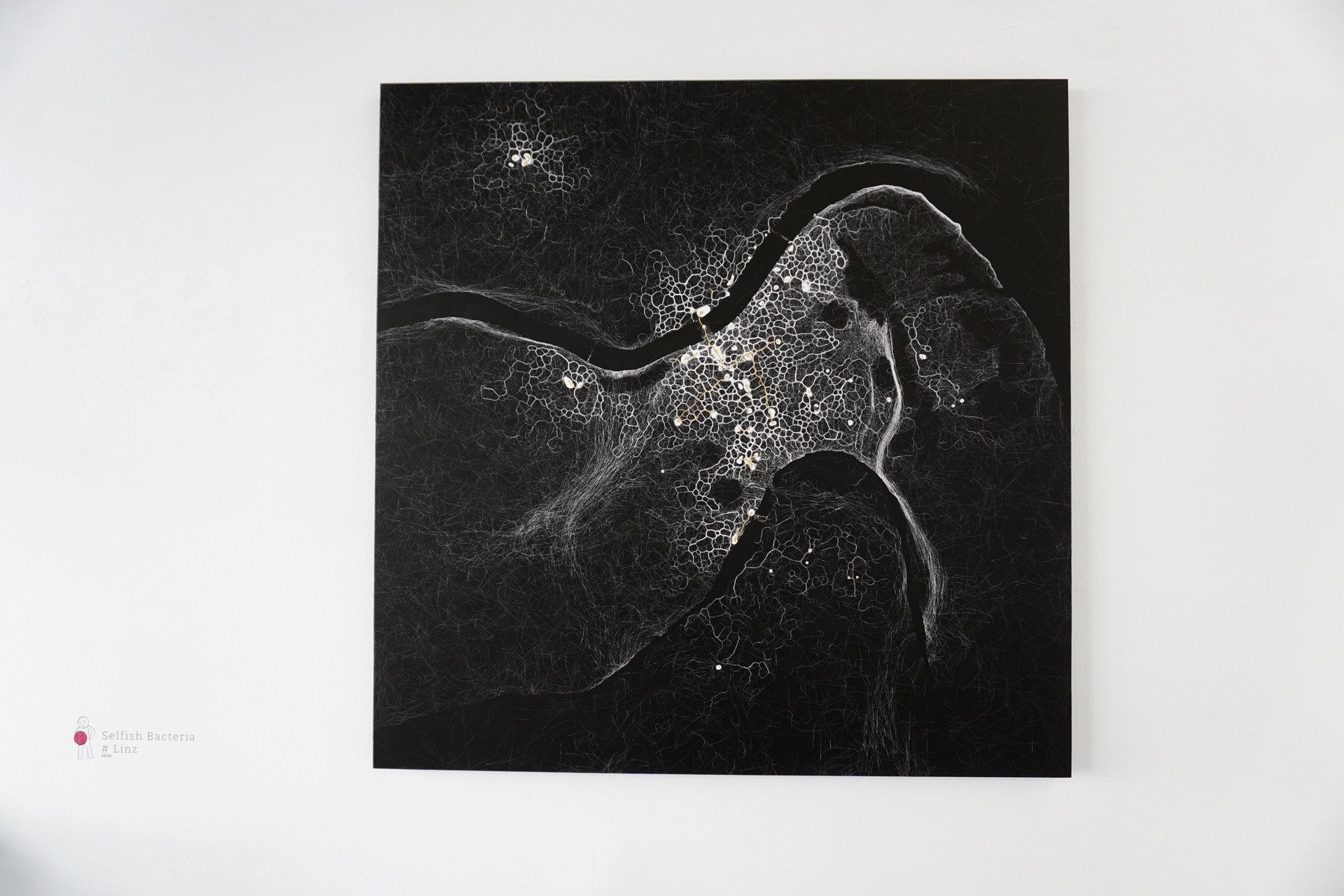
The project also traces the family’s twenty years of living in Linz. Their movements and behavioral patterns become environmental inputs for a slime mold-inspired simulation, generating speculative networks and urban forms that imagine a regenerating Linz.
Bacteria and slime molds are largely invisible to the human eye. Yet they sense, adapt, and form relationships, continuously producing complex ecologies and networks.
Rather than viewing humans as autonomous individuals, Selfish Bacteria invites us to reconsider ourselves as living assemblages shaped through coexistence with countless other forms of life.
# Planet Me
Planet Me transforms the gut microbiome data of each family member into an individual planet inhabited by countless microorganisms. Each world emerges from a distinct microbial ecology, revealing different balances, tensions, and possibilities within the invisible ecosystems we carry inside us.
- The Butyrate Peace Planet: A serene, well-balanced blue planet whose surface is inhabited by a trio of butyrate-producing peacekeepers—Faecalibacterium (14%), Blautia (6%), and Roseburia (3%). A thriving Lactobacillus population suggests fertile ground for immune resilience. Yet microbial diversity remains strikingly low, leaving a vast desert stretching across one corner of the continent.
- The Megamonas Storm Planet: A dynamic, turbulent world where two dominant forces—Bacteroides (29%) and Megamonas (12%, 245× the average)—generate relentless storms. At its core, the flames of carbohydrate metabolism spiral outward, with rice as a central force. Sutterella (4%) introduces a possible association with inflammatory conditions, yet this planet teems with remarkable microbial diversity.
- The Faecalibacterium Eden: A young planet brimming with promise, marked by the highest abundance of bacteria associated with anti-inflammatory activity among the three: Faecalibacterium (17%), alongside Roseburia (7%, 6× the average) and the rare Barnesiella (350× the average), associated with resilience against pathogenic invasion. Yet gut microbial diversity stands at just 6%, the lowest of the three, evoking an ecosystem still waiting to expand.
# Neo Linz
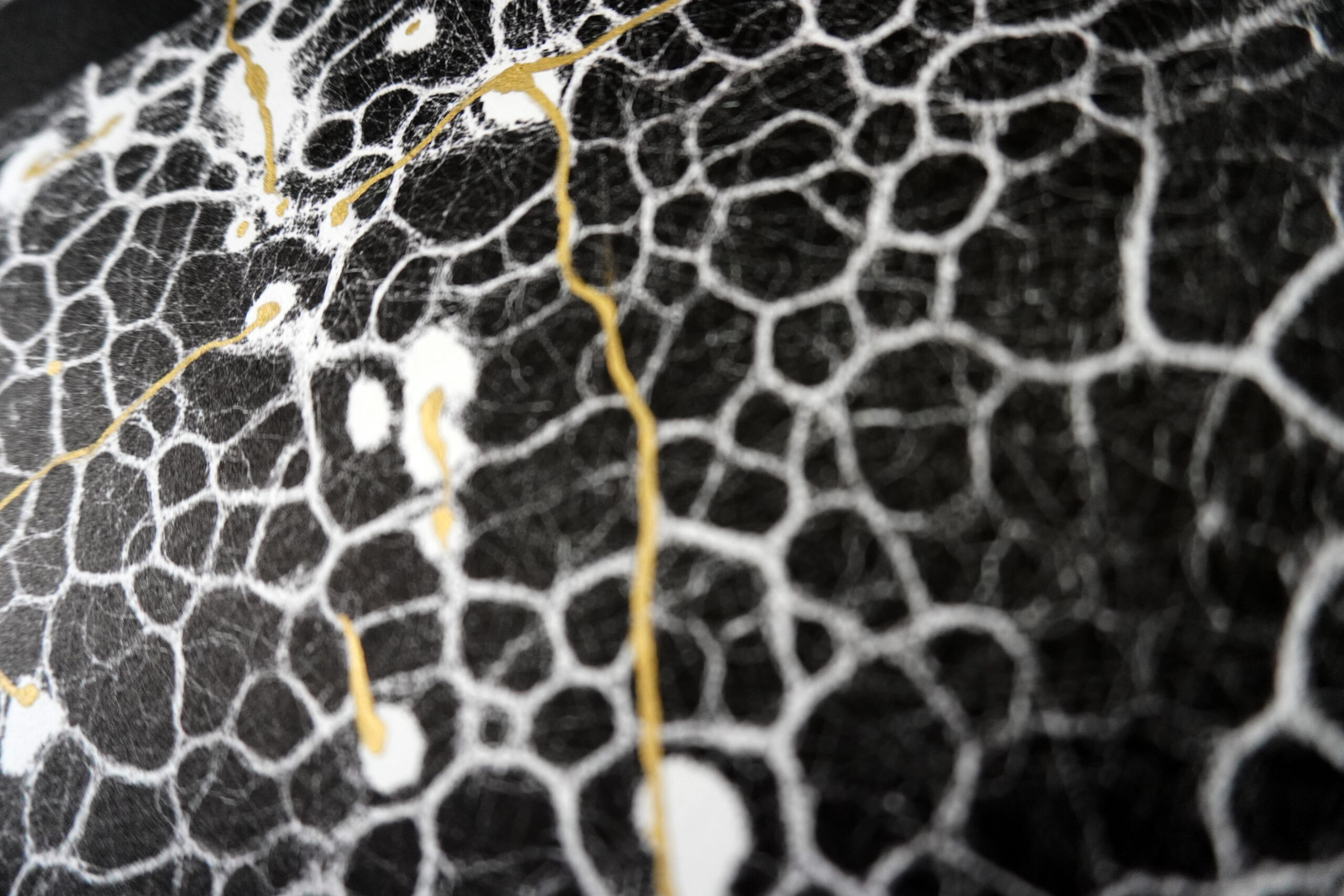
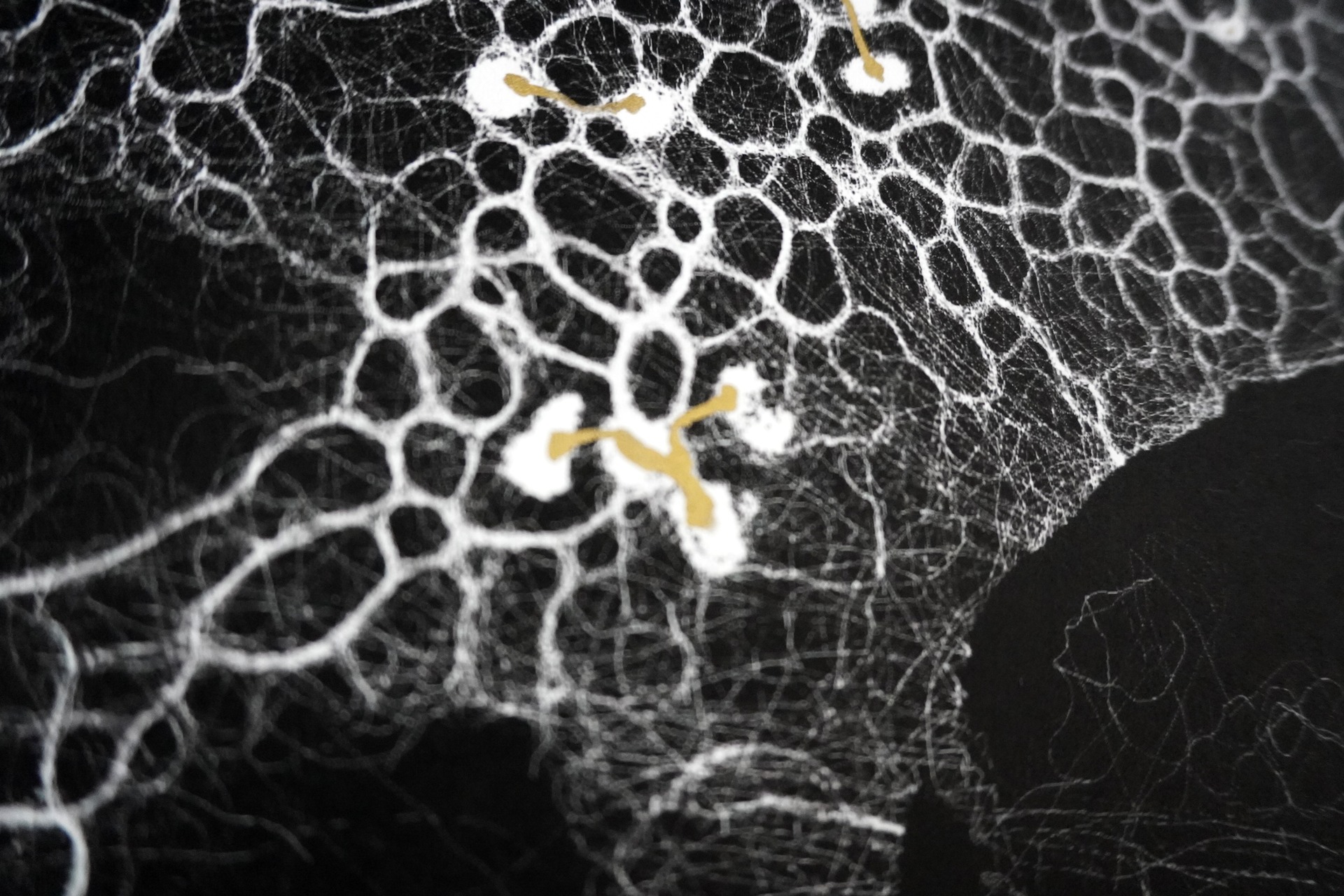
Neo Linz is an agent-based simulation that generates alternative urban forms from the map of Linz and the family’s movement and behavioral patterns accumulated over twenty years of living in the city. The simulation consists of 25,000 individual agents divided into three distinct “species” of virtual slime mold. Each species is defined by different capacities for movement, steering, and sensing food sources, resulting in distinct behavioral patterns. As the agents navigate the simulation space, they leave behind traces of their movements, gradually forming complex networks. The environment is shaped by a map of Linz and data derived from the family’s relationship with the city. Places where they tend to walk, avoid, or gather are translated into areas of food abundance and scarcity for the virtual slime mold. This “food map” is layered into the simulation space, influencing how agents are attracted to or repelled from particular regions and allowing unexpected paths and relationships to emerge. The simulation unfolds in the Unity game engine, using GPU-based computation to process its evolving dynamics in real time. The final image is a single frame extracted from the simulation as it unfolds. Neo Linz does not depict the city as a fixed structure defined by conventional urban planning. Instead, twenty years of human movement and behavior become an environment to which nonhuman agents respond according to their own logic, giving rise to another possible Linz. Are humans the only ones who make a city?
Year
2026
Team
- Lead: Emiko Ogawa
- Concept: Emiko Ogawa, Hideaki Ogawa
- Neo Linz Visualisation: John Brumley
- Artistic Direction: Hideaki Ogawa, Emiko Ogawa
Exhibition
- REGENERATE WITH THE INVISIBLE, Linz / Austria, July 24 – September 26, 2026
Related Links
Flickr Photos